Enhance Fitness SaaS redesign
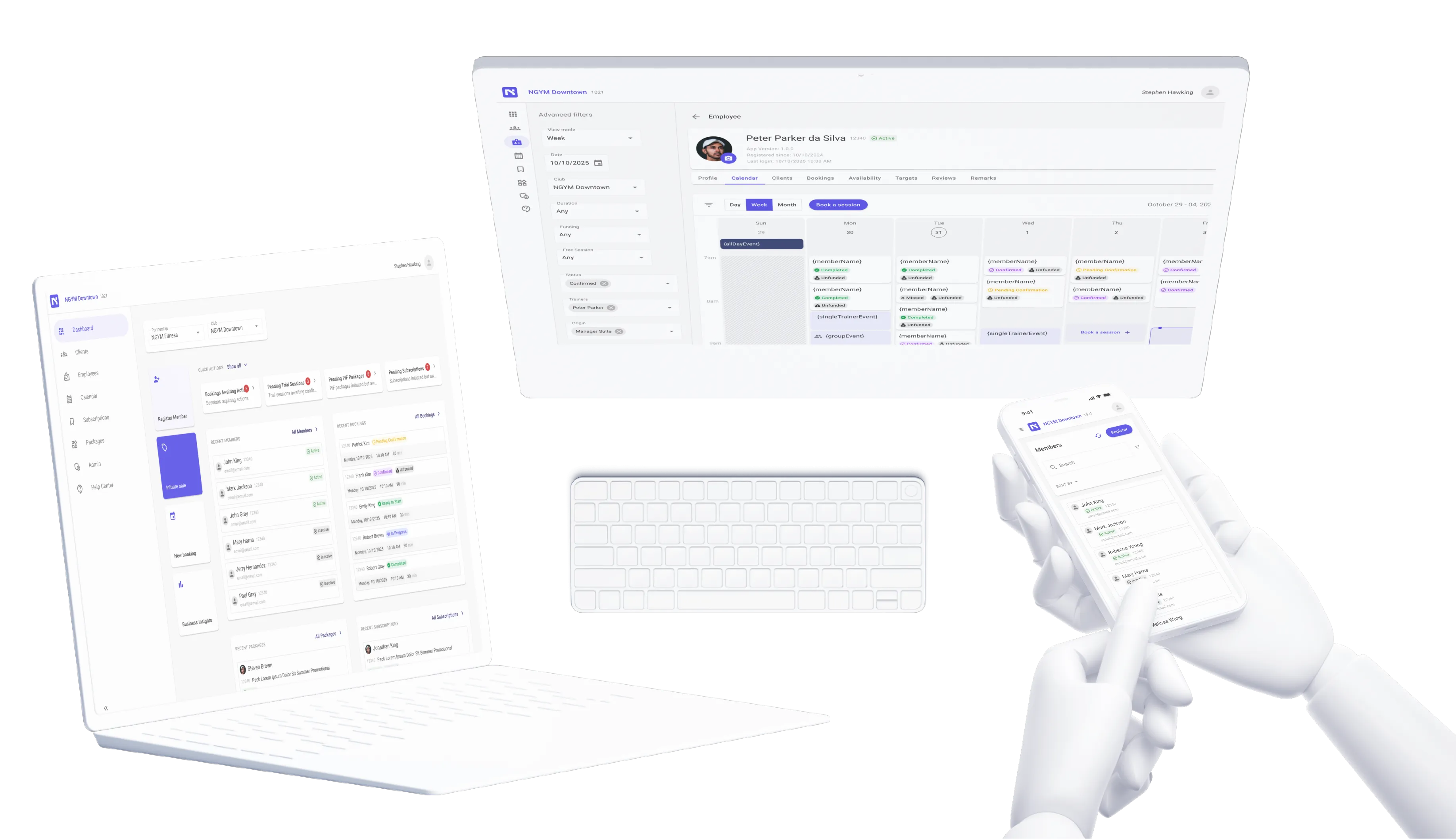
I led the redesign of Enhance Fitness' Backoffice 3.0, a dense operations SaaS platform, moving decisions from opinion to testing and raising the SUS (System Usability Scale) from 68 to 93.
Results
- 68.1 → 93.3SUS (System Usability Scale)
- 56.3% → 26.8%misclick on package activation
- 81.6s → 50.7snew package registration
- 36.9s → 16.3snew customer registration
01Overview
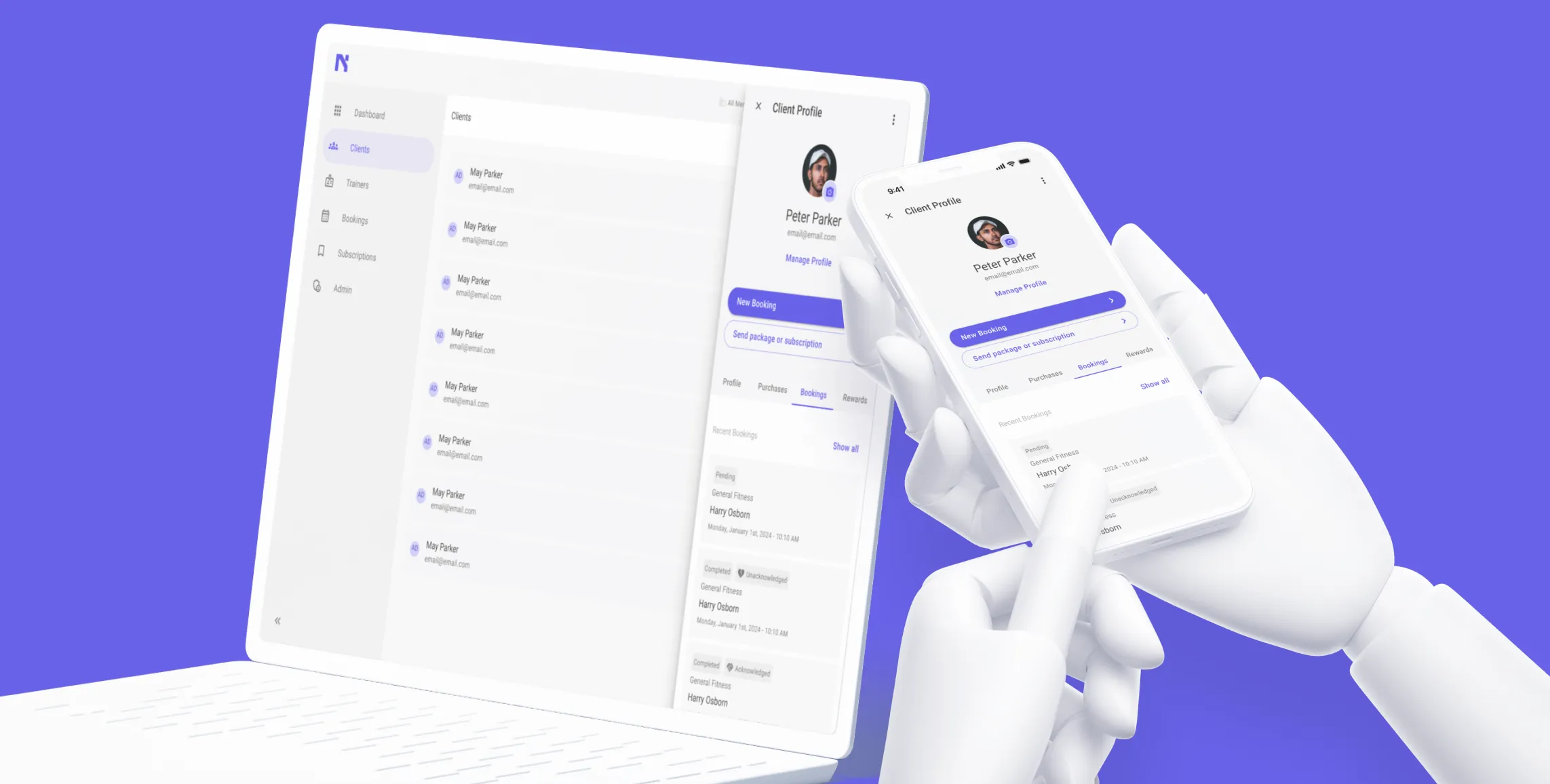
I led the redesign of Backoffice 3.0, a SaaS platform used by operational teams (customer service and team leadership) in high-volume tasks. The goal was to make critical journeys clearer, faster, and more scalable without losing alignment with complex business rules.
The result didn't come from a visual leap. It came from a continuous validation process: each design decision was tested, measured, and refined before delivery.
02Context
The Backoffice focused on sensitive tasks: creating and activating packages, registering clients, scheduling and canceling sessions. It was an operational product with multiple business rules and distinct user profiles.
Like any rapidly growing internal tool, it accumulated inconsistent architecture, ambiguous labels, and user journeys that depended on prior knowledge of the system. It worked technically, but required excessive effort to learn and execute confidently.
03My role
- I led UX and product design for the redesign.
- I conducted discovery with stakeholders and users to map pain points, hypotheses, and opportunities.
- I designed and prototyped high-fidelity solutions for critical flows.
- I structured usability testing cycles with comparable metrics across versions.
- I bridged the gap between business rules, product, and engineering, translating research findings into practical decisions.
04Approach
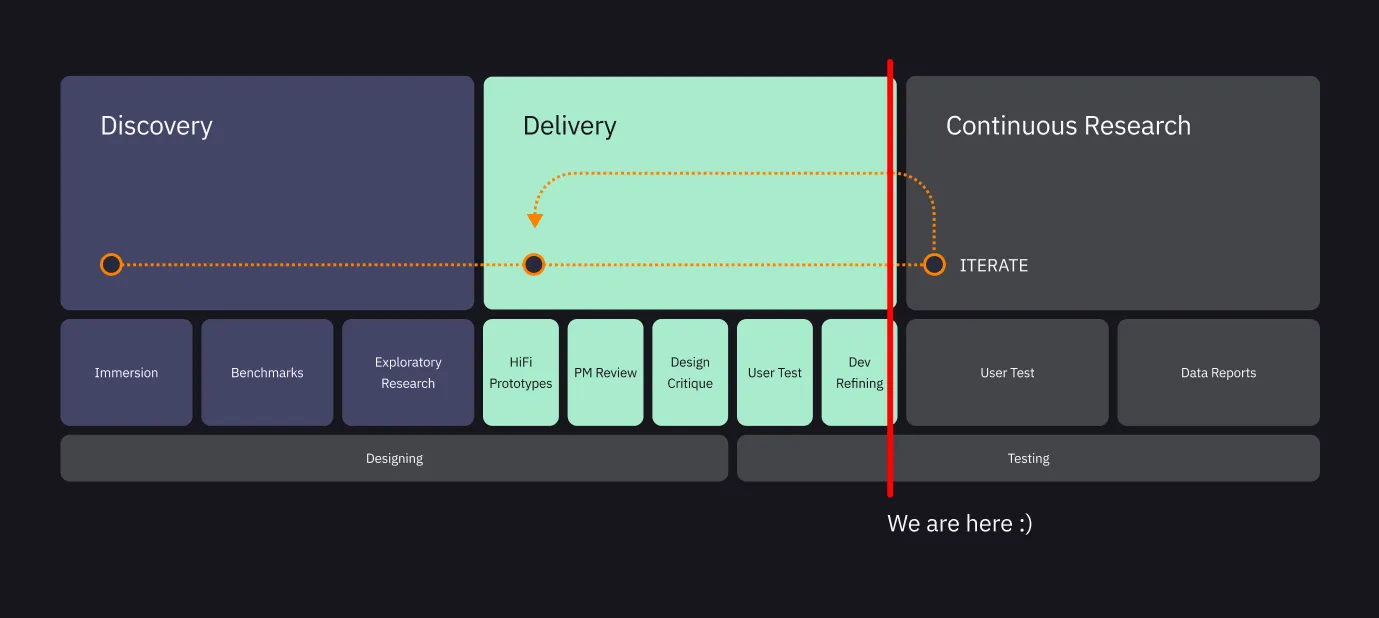
I structured the work as an iterative cycle: research, prototyping, testing, and refinement. Between June and August 2024, I conducted multiple rounds with real Backoffice users: intensive users, team leaders, and support staff.
- Moderated remote usability tests.
- Performance by task: average time, misclick rate, and failure rate.
- System Usability Scale (SUS) to compare perception between versions.
- Qualitative review of backend request flows and reports to confirm that critical journeys worked after each change.
05Key findings
- Confusing navigation labels reduced findability, especially in package creation.
- Frequent tasks performed better with shortcuts and contextual entry points on the home page.
- Some flows required excessive learning effort for an operational tool.
Scheduling and cancellation still had significant friction in the early versions, indicating that the redesign needed to mature beyond the visual layer.
06Design decisions
- Reorganized home page entry points and shortcuts to facilitate the discovery of critical tasks.
- Reviewed ambiguous labels and terminology.
- Restructured dense administrative areas into progressive flows.
- Designed context-sensitive profiles and drawers for each user type.
- Worked closely with engineering to transform test insights into real product improvements.
07Results
- New package registration: from 81.6s to 50.7s; failure rate from 50% to 25%.
- New customer registration: from 36.9s to 16.3s, maintaining failure rate at 0%.
- Misclick on package activation: from 56.3% to 26.8%; average time from 28.9s to 21.2s.
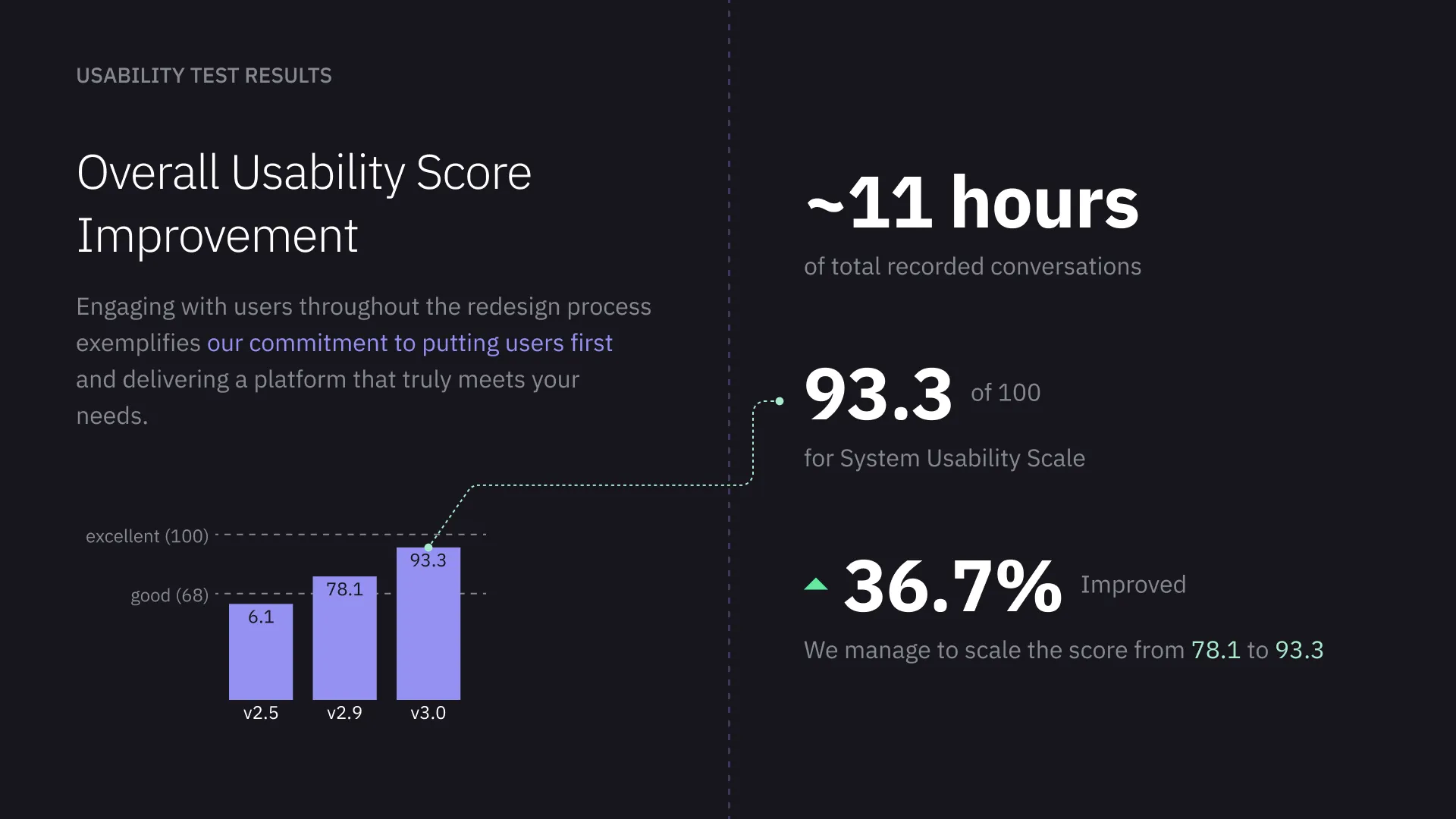
- SUS: from 68.1 to 78.1 and, after refinements, 93.3.
- In subsequent validation with intensive users, scheduling failures returned to 0% and misclicks dropped to 15%.
08Impact
- Faster and easier-to-understand critical journeys.
- Increased user confidence in key operational flows.
- More consistent and scalable foundation for product growth.
- Less ambiguity between design, product, and engineering, through clear rules and flows.
- A culture of test-driven decision-making, instead of opinion-based decision-making.